

September 29, 2025
How Passive Income in Oklahoma Can Secure Your Financial Future
When the Oklahoma City Thunder brought home their first NBA Championship, the city didn’t just celebrate a sports win. It marked a turning point for growth, pride, and—most importantly—OKC real estate investment opportunities. For individuals seeking to invest in real estate in Oklahoma City or Tulsa, this victory marks the beginning of a new wave of momentum. Sports championships don’t just make headlines; they reshape economies, influence population shifts, and drive property demand. Investors who understand this connection know how to get ahead before prices soar.
Historical Context: How Major Sports Victories Change Cities Economically
Sports have always been more than entertainment. When a team wins at the highest level, the city itself often benefits in the long term. Think about cities like San Francisco after the Giants’ World Series victories or Cleveland after the Cavaliers’ championship. These cities saw not only increased tourism but also significant boosts in local investment. Property values rose, new businesses opened, and young professionals moved in.
Championships create excitement that extends far beyond the arena. They bring media attention, attract new companies, and put cities on the national map. Oklahoma City property values are now climbing, and for investors, this means higher property demand, stronger rental markets, and appreciation in neighborhoods that might have been overlooked just a few years ago.
The New Arena Project
Timeline and Construction Phases
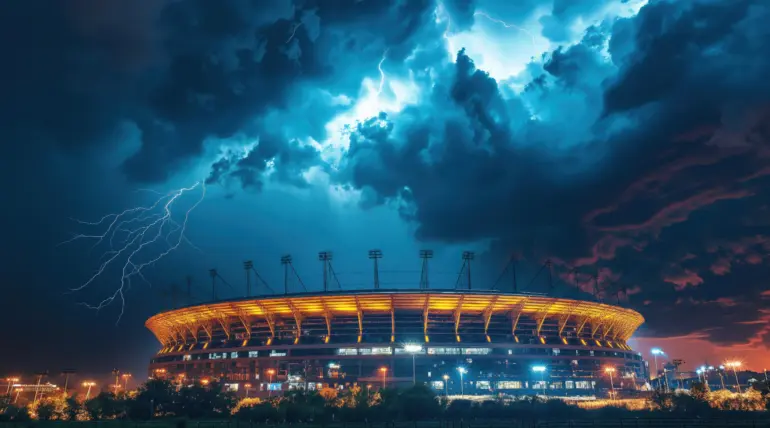
To build on the Thunder’s success, Oklahoma City is moving forward with a brand-new arena. The project is set to begin construction soon, with a timeline that stretches over the next few years. The arena is planned to open by the end of the decade, giving investors a clear window to position themselves before demand peaks.
Investment Amount and Funding Sources
The project comes with a price tag close to one billion dollars, funded through a combination of public support and private contributions. This scale of investment shows confidence not just in the team but in the city’s future. Major infrastructure commitments like this often act as magnets for private development, pulling in new restaurants, retail spaces, and housing projects.
Location and Surrounding Development Plans

The new OKC arena will sit in the heart of downtown, close to the existing entertainment district. Surrounding areas are already drawing developer attention. Expect mixed-use development Oklahoma City projects, upgraded transit routes, and new commercial spaces. For investors, proximity matters. Properties within walking distance of the new arena will see the biggest jump in interest once construction is underway.
Direct Real Estate Impacts
Property Value Increases in Surrounding Neighborhoods
History shows that homes near large entertainment venues tend to appreciate faster. The neighborhoods around downtown Oklahoma City are already benefiting, and this trend will likely accelerate. Investors targeting single-family homes, townhouses, or small apartment buildings within a two-mile radius can expect rising property values.
Commercial Development Opportunities
The new arena will bring in thousands of fans, tourists, and eventgoers year-round. Restaurants, bars, retail shops, and entertainment venues will thrive in the immediate area. Commercial spaces, especially those in transit corridors and walkable streets, will become prime investment options.
Infrastructure Improvements
Large projects rarely exist in isolation. Roads, lighting, public transit, and parking upgrades are part of the arena plan. These improvements don’t just help fans reach the games—they also make nearby neighborhoods more attractive to renters and homebuyers. Stronger infrastructure supports long-term real estate investment growth.
Economic Ripple Effects for Investors
Population Growth Projections
Championships attract people. Oklahoma City is expected to see steady growth as young professionals, families, and entrepreneurs look for vibrant communities with opportunity. More people moving in means higher demand for rentals, new homes, and condos.
Young Professionals Attracted to Championship Cities
Cities tied to winning sports teams often appear on relocation lists for young talent. Oklahoma City’s growing tech sector, combined with the Thunder’s victory, makes it a hotspot for people seeking both lifestyle and career opportunities.
Corporate Relocations and Expansions
Companies pay attention to the city image. A thriving sports culture, modern infrastructure, and a booming downtown increase the chances of corporate relocations. More companies bring more jobs, which in turn pushes housing demand upward.
Tourism and Hospitality Sector Growth
Championship recognition drives tourism. Out-of-town visitors don’t just come for games; they explore restaurants, hotels, and attractions. Oklahoma City can expect more events, concerts, and sports-related tourism, creating growth opportunities in the hospitality and service sectors. Investors in hotels, motels, and rental property demand that Oklahoma City will benefit.
Short-Term Rental Opportunities
Short-term rentals are one of the biggest winners around arenas. Platforms like Airbnb thrive in neighborhoods close to entertainment districts. With higher tourism, investors can expect stronger occupancy rates and higher nightly rates.
Hotel and Restaurant Development
Hospitality developers are already eyeing the downtown core. More restaurants, themed sports bars, and boutique hotels are expected. Investors who purchase land or partner in commercial projects near the arena will benefit from this expansion.
Media Attention and National Recognition
Media plays a powerful role in shaping perception. Oklahoma City’s name is now linked with champions. Positive press draws outside investors who may not have considered the city before. As more national outlets highlight the Thunder and the city’s growth, real estate interest expands beyond local buyers.
Investment Opportunities to Watch
- Neighborhoods within a 2-mile radius of the new arena: Expect the fastest appreciation here.
- Transit corridors and parking areas: Infrastructure upgrades create prime spots for both residential and commercial use.
- Mixed-use development Oklahoma City: Areas combining retail, housing, and offices offer steady rental income and long-term appreciation.
- Rental property demand Oklahoma City: Apartments and duplexes will remain in high demand among young renters and professionals.
- Tulsa and Oklahoma City investors: With OKC on the rise, Tulsa investors should consider diversifying into the capital city for higher returns.
Call to Action
OKC real estate investment is entering its prime. The Thunder’s championship created momentum, and the new OKC arena project will keep that momentum rolling for years. Property values will climb. Rental demand will grow. Commercial opportunities will multiply.
Investors who wait too long may find themselves priced out of the best deals. The smart move is to get in early—while prices are still reasonable and development plans are unfolding. If you’re serious about building wealth in real estate, this is your chance to position yourself before the appreciation curve peaks.
FAQs
1. How does the Thunder’s championship affect real estate in OKC?
It brings national attention, tourism, and investment interest. These factors push property values Oklahoma City higher and increase rental demand.
2. When will the new arena be completed?
The new OKC arena is expected to open before the next decade begins, with construction phases lasting several years.
3. Which areas will see the most growth?
Neighborhoods within two miles of the arena, mixed–use development Oklahoma City, and transit corridors will likely see the highest appreciation.
4. Is short-term rental investing profitable near the arena?
Yes. Championship cities attract more visitors. Properties near entertainment districts often see higher occupancy and rental rates.
5. What risks should investors consider?
Possible risks include construction delays, shifts in the economy, or saturation in the rental market. However, long-term trends favor growth.