
June 30, 2026
New Construction vs. Resale: Which Investment Property is Right for You?
Most investors frame this as a price question. New construction costs more upfront, resale costs less. Case closed.
But for income-focused investors, the real question is not what you pay on day one. It is what the property costs you over time. Maintenance expenses, vacancy patterns, tenant quality, financing options, and long-term cash flow all shift depending on which route you take.
For investors evaluating new construction investment property in Oklahoma, the comparison deserves a closer look.
What You Are Actually Comparing
Before getting into specifics, it helps to define the two categories clearly.
New construction investment property refers to homes built by a developer or builder and purchased before or shortly after completion. In Oklahoma City and Tulsa, this includes single-family homes from builders like D.R. Horton, Lennar properties, and M&M Capital, as well as new-build duplexes designed specifically for investors.
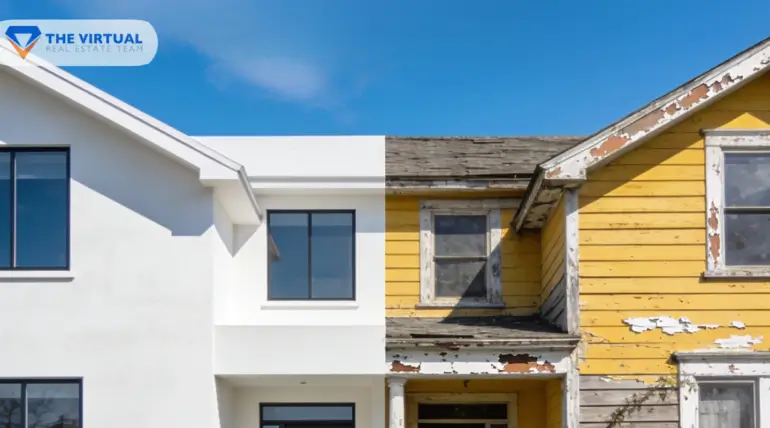
Resale properties are existing homes that have traded hands at least once. They range from recently updated homes in solid condition to older properties that need significant work before they are tenant-ready.
Both can produce income. The difference is in how they get there and what happens along the way.
The Maintenance Advantage Of New Construction
One of the clearest advantages of a new construction investment property is the predictability of early expenses.
Older resale properties carry deferred maintenance risk. Roof age. HVAC condition. Plumbing upgrades. Water heater lifespan. These items are not always visible during a standard inspection, and they tend to surface at the worst possible moments.
New construction eliminates most of that uncertainty in the early years. Systems are new. Builder warranties typically cover structural issues for extended periods and mechanical systems for shorter windows. That means fewer surprise expenses in year one, two, and three.
Key maintenance considerations when comparing the two:
– New construction typically comes with a one-year builder warranty on workmanship
– Mechanical systems (HVAC, plumbing, electrical) are new and under warranty
– Resale properties may require capital reserves of several thousand dollars in the first year alone
– Older properties with deferred maintenance can erode cash flow quickly
For out-of-state investors managing properties remotely, this distinction carries extra weight. A maintenance call that requires a plumber, an HVAC technician, or a roofer is manageable. A cascade of issues in the first year is a different problem.
Financing And Builder Incentives
Resale properties are generally financed through standard investment property loans. The rate environment applies equally to both, but new construction builders often bring additional tools to the table.
Builder incentive programs can include:
– Rate buy-downs that lower the effective interest rate for the life of the loan
– Seller concessions applied toward closing costs
– Included upgrades that would otherwise represent out-of-pocket capital
Resale properties rarely come with financing incentives of this kind. The rate you get is the rate the market offers. That is not necessarily a disadvantage, but it is a factor worth accounting for in your projections.
Tenant Appeal And Vacancy Risk
New homes attract tenants. That is not opinion. It is consistent with what property managers observe in the field.
A newly built home with modern finishes, energy-efficient appliances, and an open floor plan competes well in any rental market. Tenants who qualify for newer units tend to be more stable. They stay longer. They treat the property with more care.
Resale properties can absolutely attract quality tenants too. But older homes with dated kitchens, aging bathrooms, or deferred cosmetic updates require more effort to lease and may attract a different tenant profile.
Factors that affect vacancy risk include:
– Condition and visual appeal of the property
– Competing inventory at similar price points
– Energy costs, which affect tenant satisfaction in older, less efficient homes
– Neighborhood trajectory and overall rental demand
Upfront Cost And Immediate Cash Flow
This is where resale has a genuine advantage in many cases. A well-purchased resale property at a lower acquisition price can produce stronger immediate cash flow relative to purchase price, assuming the condition is sound.
The math on new construction requires a longer view. Higher purchase price. Potentially higher monthly payment. But lower near-term maintenance and potentially favorable financing reduce the gap.
The honest comparison looks like this:
– Resale: lower entry cost, potentially faster cash flow, higher near-term maintenance exposure
– New construction: higher entry cost, slightly tighter initial cash flow, lower maintenance exposure and more predictable expenses
For investors who prioritize capital preservation and want fewer surprises, new construction often wins on a risk-adjusted basis even when resale looks cheaper at first glance.
The Turnkey Factor For Out-Of-State Investors
Oklahoma City and Tulsa attract a significant number of out-of-state investors. That population has specific needs that resale properties do not always meet.
Buying a resale property from across the country requires inspection contingencies, renovation coordination, and a reliable team on the ground to assess condition accurately. The process adds complexity, time, and uncertainty to an already complicated transaction.
New construction investment property simplifies this considerably. What you see in the builder specs is what gets built. There is no deferred maintenance to discover after closing. No renegotiation after inspection reveals something unexpected. The process is more predictable from start to finish.
VRET works directly with builders in both markets to help out-of-state investors navigate the process with clarity and local support. That combination of trusted builder relationships and local expertise reduces the friction that typically comes with remote investing.
Which Option Fits Your Strategy?
Neither new construction nor resale is universally better. The right answer depends on your goals, your capital, and your risk tolerance.
New construction investment property may be the stronger choice if:
– You want to minimize near-term maintenance exposure
– You are investing remotely and need a predictable process
– Builder financing incentives meaningfully improve your deal economics
– You are a newer investor who wants fewer variables to manage
Resale may be the right call if:
– You can buy significantly below market value
– You have reliable local contractors and can manage renovations efficiently
– Your capital position allows you to absorb early maintenance costs
– You have specific neighborhood targets where new construction is unavailable
Why Choose The Virtual Real Estate Team
The Virtual Real Estate Team works with investors across both strategies, but our deepest expertise is in new construction investment property in Oklahoma City and Tulsa.
We have built relationships with D.R. Horton, Lennar properties, and M&M Capital that give our investors access to current builder incentives, preferred pricing, and construction timelines that are not always visible to buyers working independently.
What working with VRET offers:
– Direct access to builder incentive programs that reduce your all-in cost
– Local market knowledge that helps you evaluate whether new construction or resale makes sense for your specific goals
– Property management connections that ensure your investment is managed consistently from day one
– Investor education resources that support more confident decision-making
The comparison between new construction and resale is worth making carefully. We can help you run the numbers honestly.
CONCLUSION
New construction investment property and resale both have a place in a thoughtful investor’s portfolio. The question is which one fits the deal you are building, the capital you are deploying, and the level of involvement you want in the years ahead.
For most investors entering the Oklahoma market for the first time, new construction offers a cleaner, more predictable path. Lower maintenance risk, builder warranties, modern tenant appeal, and access to financing incentives create a foundation that is easier to manage and easier to scale.
If you are ready to compare options side by side, connect with The Virtual Real Estate Team. Schedule a call to review current builder inventory, active incentives, and which approach fits your investment goals.
FAQS
1. Is new construction investment property more expensive than resale?
In most cases, yes, on a per-square-foot basis. But builder incentives, warranty coverage, and lower near-term maintenance costs can narrow that gap significantly when you model the full picture.
2. Can out-of-state investors buy new construction in Oklahoma without visiting?
Many investors complete the process remotely. VRET supports out-of-state buyers with local expertise, builder relationships, and property management connections that simplify remote ownership.
3. Do builder warranties transfer to tenants?
Builder warranties protect the property owner, not the tenant. Tenants are covered by the lease agreement, which should address maintenance responsibilities clearly.
4. What builder incentives are currently available in Oklahoma?
Incentives change regularly. Current programs include rate buy-downs, seller concessions for closing costs, and included upgrades. Contact VRET for the most current offers from D.R. Horton, Lennar properties, and M&M Capital.
5. Is resale ever the better investment choice?
It can be, particularly when a property is purchased well below market value or in a neighborhood where new construction is not available. The right answer depends on your specific goals, capital position, and risk tolerance.